Firma BOLIN Gen-Parts powstała, aby wspierać globalnych nabywców z sektora B2B, oferując niezawodne możliwości produkcyjne, sprawdzoną skalę działalności komercyjnej oraz gotowość do dostaw na eksport. Dzięki zespołowi liczącemu ponad 200 pracowników, zarówno w siedzibie firmy, jak i w zakładzie produkcyjnym, dysponujemy zasobami kadrowymi i potencjałem operacyjnym niezbędnym do obsługi zaopatrzenia w części do generatorów, komunikacji technicznej, koordynacji zamówień oraz długoterminowej współpracy hurtowej.
Skala naszej działalności znajduje odzwierciedlenie w obrotach przekraczających 10 milionów USD, co świadczy o stabilnym popycie rynkowym i godnych zaufania wynikach biznesowych. Dzięki wsparciu naszych głównych zakładów produkujących silniki, prostowniki i regulatory AVR pomagamy klientom w pozyskiwaniu kluczowych komponentów do generatorów, zapewniając doskonałą równowagę między jakością, ceną i wsparciem w zakresie dostaw.
Miesięczna lista kontrolna dotycząca norm w zakresie ćwiczeń dla importerów generatorów
Kiedy importerzy traktują comiesięczne przeglądy generatorów jako zwykłe zadanie magazynowe, a nie jako dokument operacyjny wymagający zgodności z przepisami, po cichu wrzucają do tej samej okropnej teczki kwestie związane z zagrożeniami technicznymi, sporami dotyczącymi gwarancji serwisowej, ryzykiem celnym, kompromitacją sprzedawcy oraz problemami związanymi z bezpieczeństwem użytkowników końcowych. Po co ryzykować?
Na początek poruszę tę niepopularną kwestię: większość importerów generatorów nie ma problemu z samymi generatorami. Mają problem z dokumentacją. Generator może być świetny, blok silnika wysokoprężnego typu Perkins lub Cummins może być w porządku, sterownik może działać prawidłowo, jednak dane są skąpe, wyniki testów są niejasne, odczyty akumulatora są zapisane odręcznie, paliwo stoi, a nikt nie potrafi wyjaśnić, czy zestaw został przetestowany pod rzeczywistym obciążeniem, w warunkach symulowanych, czy też “słyszeliśmy, jak przez chwilę pracował”.”
To nie jest lista kontrolna konserwacji generatora. To scena z kina.
Co tak naprawdę oznacza dla importerów regularny comiesięczny trening
Comiesięczne testy eksploatacyjne to regulowane badania operacyjne, które potwierdzają, że zespół generatorów jest w stanie uruchomić się, utrzymać pracę, dostarczać moc, przełączać się w razie potrzeby, zmniejszać obciążenie, schładzać się oraz pozostawić wystarczające dowody, na podstawie których nabywca, inspektor, firma ubezpieczeniowa, dystrybutor lub zespół gwarancyjny mogą polegać na systemie.
Dla importerów norma ta ma dwa aspekty. Aspekt techniczny obejmuje spalanie, temperaturę, napięcie, regularność pracy, akumulatory, działanie systemu ATS, systemy alarmowe oraz udział w tonach. Aspekt przemysłowy dotyczy identyfikowalności: numer identyfikacyjny, rodzina silników, konstrukcja sterownika, zestaw dostawczy, zachowanie oprogramowania układowego, data badania, operator, temperatura otoczenia, stan paliwa oraz działania naprawcze.
I rzeczywiście, darzę kontrolera większym szacunkiem niż wiele zespołów sprzedażowych.
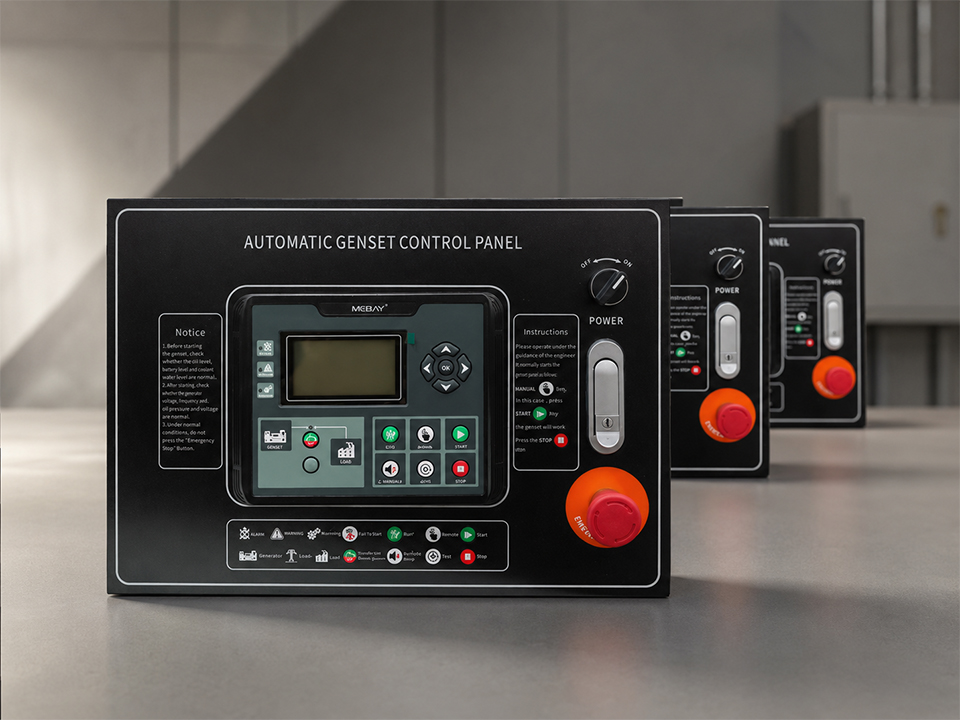
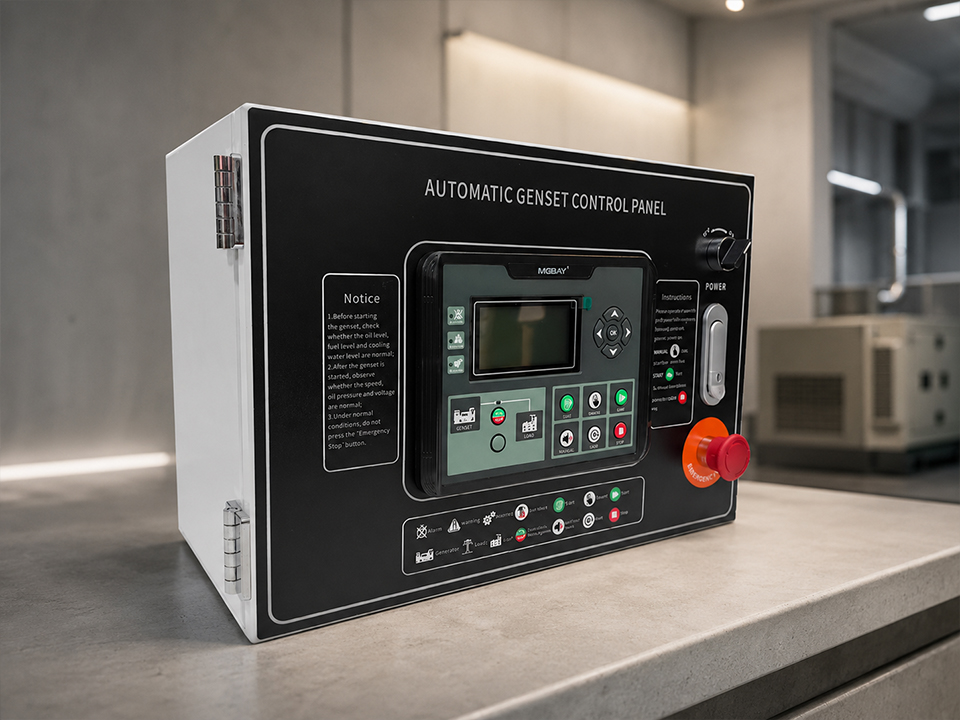
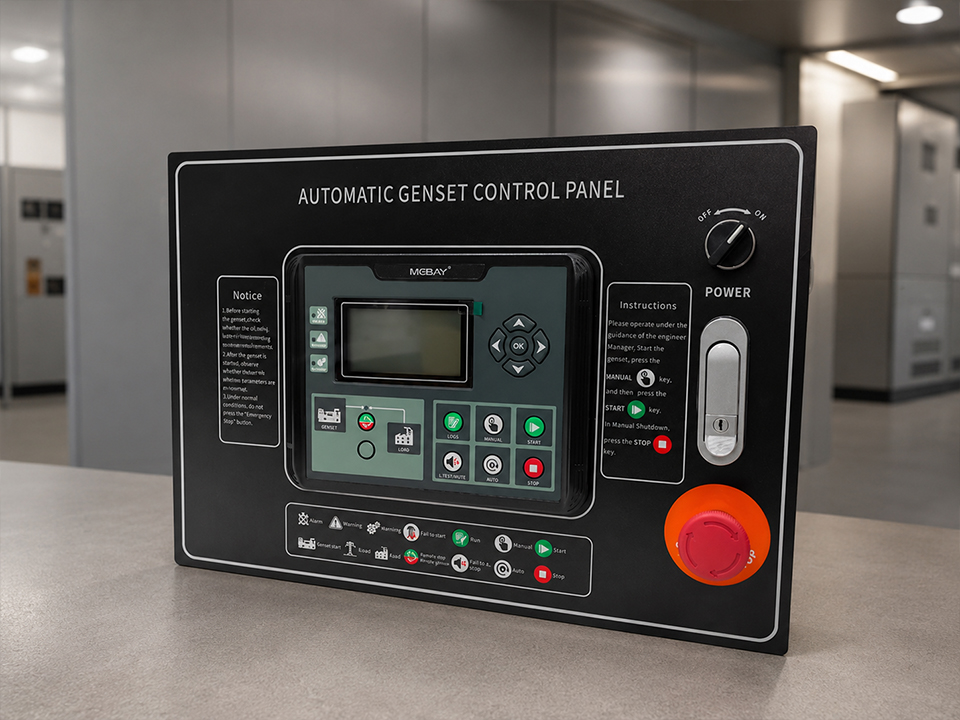
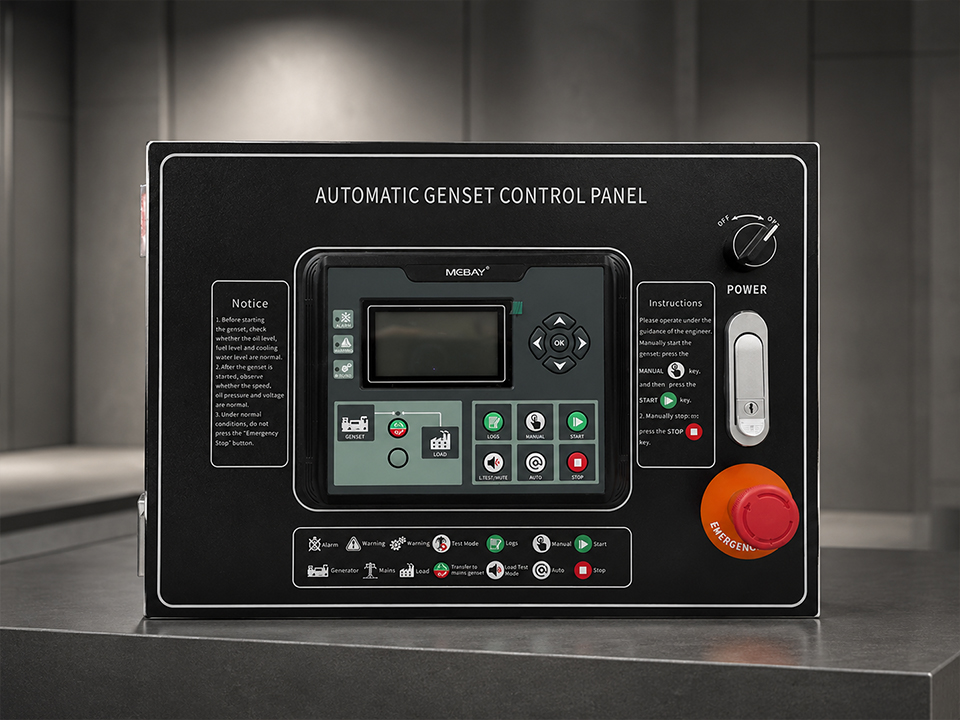
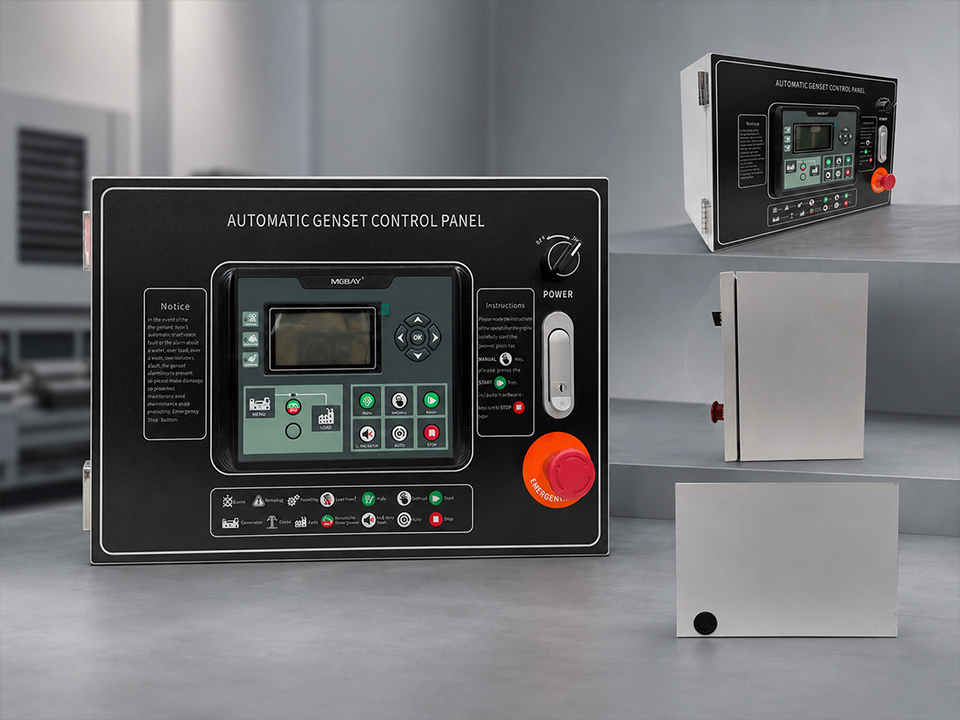
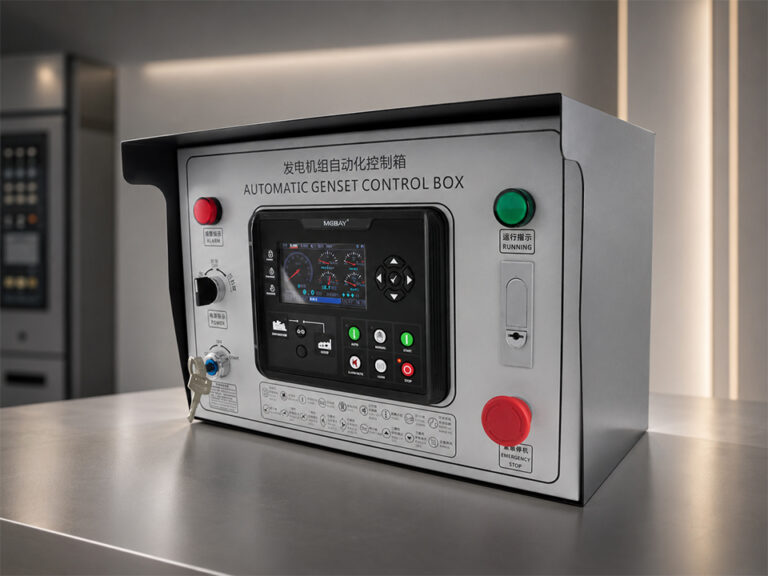
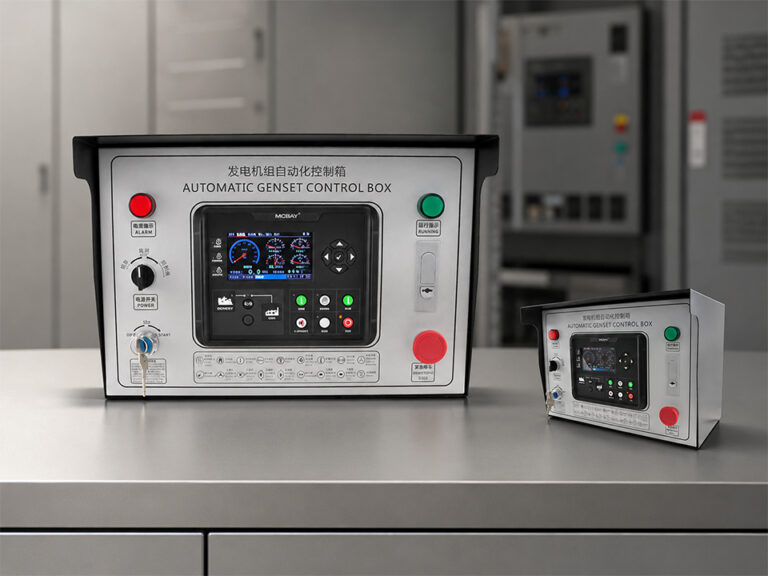
Generator dieslowski, który bez problemu uruchamia się z panelu sterowania, ale nie radzi sobie z automatycznym uruchomieniem zdalnym, nie jest “ogólnie świetny”. To tylko kwestia czasu, zanim dojdzie do awarii. Jeśli podłączane urządzenie wykorzystuje sterownik podobny do Element panelu sterującego generatora dieslowskiego pojazdu GTR-17, lista ta musi uwzględniać sprawdzanie poprawności polecenia uruchomienia, polecenia zatrzymania, czasu opóźnienia, sygnału przekroczenia prędkości obrotowej, sygnału obniżonego ciśnienia oleju, sygnału wysokiej temperatury płynu chłodzącego, sygnału ładowania alternatora oraz pamięci systemu alarmowego, zanim system trafi do serwisu.
Trudna prawda dotycząca wymagań normy NFPA 110 w zakresie kontroli generatorów
Norma NFPA 110 jest zazwyczaj błędnie interpretowana przez importerów, ponieważ traktują ją oni jak broszurę produktową. Nie jest to jednak broszura. Stanowi ona ramy wydajnościowe dla systemów zasilania awaryjnego i rezerwowego, a zwyczaj przeprowadzania comiesięcznych ćwiczeń utrzymuje się, ponieważ nadal istnieją silniki wysokoprężne.
Kłamią bezbłędnie.
Zimny silnik wysokoprężny może zapalić, pracować bez zarzutu przez 5 minut, wydawać zdrowy i zrównoważony dźwięk, a mimo to mieć zanieczyszczony układ wydechowy, być niedoobciążony, pozbawiony energii z akumulatora, mieć nieprawidłowo podłączone czujniki lub słabą logikę sterowania. Przy niewielkim obciążeniu w układzie wydechowym mogą gromadzić się niespalone paliwo i sadza, zwłaszcza gdy urządzenie przez miesiące służy wyłącznie do pokazowych demonstracji pracy na biegu jałowym. Czarny dym to nie kwestia indywidualności. To dowód.
Jeśli chodzi o specjalistyczną miesięczną listę ćwiczeń dla generatorów, oparłbym tę procedurę na następujących przepisach funkcjonalnych:
Sprawdzaj działanie generatora co najmniej raz w miesiącu.
Uruchom urządzenie na co najmniej 30 minut.
Należy używać ton jako jednostki miary, a nie rytualnego destylatora.
Sprawdź, czy napięcie i częstotliwość mieszczą się w dopuszczalnych granicach.
Rejestruj poziom temperatury płynu chłodzącego, ciśnienie oleju, napięcie akumulatora oraz stan zużycia.
Analiza wejść systemu alarmowego oraz zachowania zamknięć w kontrolowanym zakresie.
Rozpocznij procedurę uruchomienia systemu Revolve ATS w przypadku, gdy instalacja posiada wiele przełączników transferowych.
Należy prowadzić ewidencję według numerów seryjnych i partii.
To właśnie ten ostatni punkt decyduje o sukcesie lub porażce importerów. Dystrybutor nie może zagwarantować, że “sprawdzono – w porządku”. Dostawca może natomiast zagwarantować, że “Jednostka SG-2024-11-084, 60 Hz, 480 V, 30 minut pracy, partie 32%, płyn chłodzący 180 °F, ciśnienie oleju 58 psi, rozliczenie 13,8 VDC, brak aktywnych alarmów, eksport dziennika sterownika”.”
Widzisz różnicę?
Miesięczny harmonogram pracy generatorów dla dostaw przychodzących
Oto lista kontrolna, którą wprowadziłbym obowiązkowo do procedury kontroli jakości towarów przychodzących u każdego importera przed rozpoczęciem dostaw.
Punkt kontrolny
Wymagania dotyczące przepustki
Co bym nagrał na taśmę
Dlaczego to ma znaczenie
Ocena wizualna
Brak uszkodzeń transportowych, wycieków, poluzowanych wiązek przewodów, pęknięć
Zdjęcia, numer seryjny, tabliczka silnika, tabliczka generatora
Uszkodzenia produktów stają się przedmiotem sporu gwarancyjnego, jeśli nie są udokumentowane
Napięcie akumulatora
Zazwyczaj 12,6 V DC+ (wartość minimalna) dla układów 12 V, 25,2 V DC+ dla układów 24 V
Napięcie robocze i napięcie rozliczeniowe
Słabe akumulatory powodują fałszywe sygnały o awariach sterownika i rozrusznika
Stan gazu
Czyste paliwo, bez wody, bez osadu
Poziom paliwa, przykładowa uwaga, stan zbiornika
Zła jakość oleju napędowego szybko podważa zaufanie do wtryskiwaczy
Olej i płyn chłodzący
Właściwy poziom, brak zanieczyszczeń
Poziom oleju, poziom płynu chłodzącego, widoczne wycieki
Alarmy związane z obniżonym poziomem cieczy nie powinny być widoczne dla klienta
Uruchamianie kontrolera
Brak fałszywych alarmów, poprawny język, prawidłowe parametry
Wersja, oprogramowanie sprzętowe (jeśli jest to istotne), informacje o systemie alarmowym
Nieprawidłowe ustawienia powodują “dowolne” problemy z uruchomieniem
Praktyczne wprowadzenie
Rozpoczyna się w ramach przewidywanego cyklu obrotów wału korbowego
Czas obrotu korbowodu, wzrost obrotów, problem z dymem
Nie mam cierpliwości do arkuszy z “miesięcznymi danymi eksploatacyjnymi”, w których każdy generator rzekomo pracował przez 30 minut, a każdy odczyt wygląda, jakby został skopiowany z tej samej serwetki po obiedzie. Prawdziwe urządzenia różnią się między sobą. Zmieniają się warunki temperatury otoczenia. Odczyty obciążenia ulegają zmianom. Urządzenie pracujące z częstotliwością 50 Hz zachowuje się inaczej niż urządzenie o częstotliwości 60 Hz. Urządzenie o napięciu 400 V nie pokazuje tych samych wyników, co urządzenie o napięciu 208 V. Dobre zapisy odzwierciedlają rzeczywiste warunki.
Lista kontrolna dotycząca generatorów: na co importerzy nie zwracają uwagi
Wielu importerów sprawdza silnik. Mniej z nich sprawdza układ sterowania.
To jest na odwrót.
Współczesny generator rezerwowy to nie tylko silnik wysokoprężny przykręcony do alternatora; to niewielkie, zaawansowane urządzenie wyposażone w czujniki, przekaźniki, magistralę CAN, obwody rozruchowe, układ ładowania, progi wyłączenia, a często także sterownik, który został wymieniony przez dostawcę gwarantującego, że zachowuje on “tę samą funkcjonalność”. Ta sama funkcjonalność to nie to samo, co identyczność.
Na przykład, EIM-258/9753 – sterownik modułu interfejsu silnika do agregatu prądotwórczego należy wziąć pod uwagę w dyskusji, gdy chodzi o analizę sygnałów silnika, a nie tylko o wyświetlacz na panelu przednim. Moduł zamienny może sprawić, że niesprawne urządzenie zacznie działać, lub też sprawić, że sprawny system będzie wyglądał na uszkodzony, jeśli założenia dotyczące wiązki przewodów, mapowania wejść lub czujników są błędne.
Oto moja sekwencja testów na poziomie importera:
Najpierw sprawdź tabliczkę znamionową. Następnie wiązkę przewodów. Potem sterownik. Następnie akumulator. Potem układ logiczny. Na koniec pozostałe elementy.
A nie na odwrót.
Jeśli zaczniesz od pytania “czy to działa?”, narażasz się na pochopną akceptację. Jeśli natomiast zaczniesz od pytania “czy mogę sprawdzić, czym jest to urządzenie, jak jest skonfigurowane i jakie sygnały odbiera?”, zgromadzisz dane, które da się uzasadnić.
Lista kontrolna zgodności przy imporcie generatorów: Dokumentacja staje się częścią maszyny
Właśnie ten stres sprawia, że import generatorów staje się prawdziwą udręką. Zestaw prądotwórczy z silnikiem diesla może wyglądać idealnie w skrzyni transportowej, a mimo to okazać się nie do sprzedania, jeśli dane dotyczące emisji spalin, numer seryjny silnika, certyfikat zgodności, rok produkcji, moc znamionowa, dokumenty wymagane w danym kraju lub dane rozliczeniowe nie są ze sobą zgodne.
Poniżej znajduje się ta nieco niezręczna lista kontrolna:
Dokumenty dotyczące importu produktu
Co należy sprawdzić
Czerwona flaga
Numer rodziny silników
Zgodność z etykietą silnika i dokumentem kwalifikacyjnym
brakujące, zmienione, zamalowane lub niespójne
Rok wydania
Zgodność z wymogami kwalifikacyjnymi oraz język faktury
Stare certyfikaty wykorzystywane w nowej produkcji
Moc znamionowa w kW/kVA
Jednolite w całym tekście oferty, na tabliczce znamionowej, na fakturze oraz w protokole z badania
“Terminy ”standby“ i ”prime” zostały swobodnie zamienione miejscami
Brakujące schematy powodują problemy z obsługą techniczną
Certyfikat zgodności nie jest dokumentem, który przyciąga uwagę. Stanowi on pomost między klasą silnika a legalnym wejściem na rynek. Importerzy, którzy traktują go jedynie jako załącznik w formacie PDF, zamiast postrzegać go jako czynnik kontrolny zapewniający zgodność roku modelowego, rodziny silników i oznakowania, narażają się na zatrzymanie towaru, reeksport, grzywnę lub poważne konsekwencje.
I nie powierzajcie spraw związanych z analizą sytuacji spedytorowi. Oni zajmują się jedynie transportem przesyłek. Nie przejmują oni ryzyka związanego z zgodnością z przepisami.
Lista kontrolna konserwacji generatora rezerwowego na pierwszy rok eksploatacji
Już w pierwszym roku po sprowadzeniu decyduje się o tym, czy reputacja marki w sieci zostanie zbudowana, czy zniszczona. Dealerzy pamiętają, które marki są przedmiotem akcji serwisowych. Kierownicy serwisów pamiętają, które modele zaczynają sprawiać kłopoty podczas burz. Dział gwarancyjny pamięta, które serie numerów seryjnych zyskują złą sławę.
Skorzystaj z tego rozkładu zajęć.
Czas
Wymagane działanie
Uwaga importera
Przyjazd
Ocena wizualna, zgodność z danymi na tabliczce znamionowej, kontrola układu wydechowego
Zrób zdjęcia wszystkiego przed rozpakowaniem, zanim kwestia uszkodzeń stanie się przedmiotem sporu
Inwentaryzacja wstępna
30-minutowy trening, konfiguracja kontrolera, sprawdzenie stanu baterii
Zapisz dane w pliku urządzenia
Wysyłka do dealera
Ponowna ocena systemu uruchamiania/wyłączania oraz systemu alarmowego
Długotrwałe przechowywanie w magazynie powoduje rozładowanie akumulatorów
Pomoc w spłacie rat
Sprawdź system ATS, zdalny rozruch oraz założenia dotyczące biegu jałowego i uziemienia
Nieprawidłowe okablowanie w obiekcie często powoduje wyłączenie generatora
Miesiąc 1 po instalacji
Pierwszy trening w terenie z obciążeniem
Zwróć uwagę na słabe akumulatory, problemy z paliwem oraz poluzowane zaciski
Miesięcznie
Ćwicz i sprawdzaj
Nie należy uznawać pracy silnika na biegu jałowym bez obciążenia za wystarczającą gwarancję niezawodności silnika wysokoprężnego
Kwartalny
Szczegółowa analiza kontrolera i połączenia
Zwróć uwagę na poluzowanie spowodowane rezonansem oraz rdzę
Co roku
Instytucja finansowa „Tons”, jeśli strona „Tons” jest również lekka
Ma to szczególne znaczenie w przypadku zbiorników oleju napędowego w trybie gotowości, które są tylko częściowo napełnione
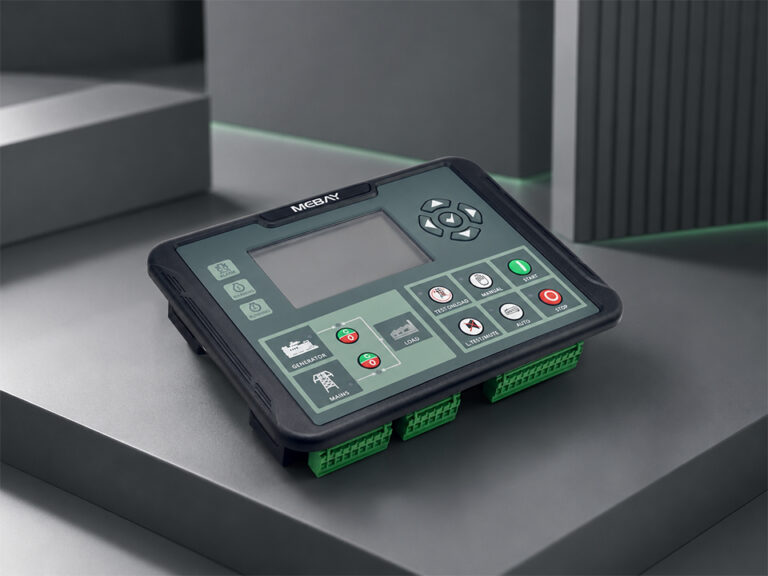
Jeśli chodzi o dostawę części zamiennych do sterowników, z pewnością trzymałbym pod ręką komponenty o potwierdzonej kompatybilności. Opóźnienie w wymianie sterownika sprawia, że zwykła wizyta serwisowa zamienia się w skargę na markę. Gdy system urządzenia to obsługuje, Część zamienna do sterownika generatora z automatycznym uruchamianiem DSE6110 lub a Moduł sterujący rozruchem pojazdu z silnikiem wysokoprężnym 6110K może zadecydować o tym, czy problem zostanie rozwiązany jeszcze w tym samym tygodniu, czy też rozpocznie się trzytygodniowa seria wzajemnych oskarżeń.
Jak korzystać z generatora co miesiąc, nie oszukując samego siebie
Rozruch na zimno. Zarejestruj temperaturę otoczenia. Sprawdź poziom oleju, płynu chłodzącego, paliwa, stan akumulatora oraz rozmieszczenie wyłączników. Uruchom agregat ręcznie tylko wtedy, gdy standardowy miesięczny zakres pracy obejmuje wyłącznie silnik; w celu zapewnienia gotowości rezerwowej należy uruchamiać agregat za pomocą funkcji automatycznego rozruchu lub ścieżki ATS z odpowiednią częstotliwością, aby sprawdzić cały łańcuch.
Następnie załaduj to.
Agregat prądotwórczy z silnikiem wysokoprężnym wymaga odpowiedniej temperatury. Wymaga odpowiedniego ciśnienia w cylindrach. Wymaga odpowiedniej temperatury spalin. Wymaga odpowiedniej eksploatacji, aby wykryć słabą klimatyzację, niską jakość paliwa, luźne zaciski, nieprawidłowo działające regulatory obrotów, problemy z regulatorem napięcia oraz usterki czujników. 30-minutowa przerwa w pracy jest lepsza niż całkowite zaniedbanie, ale nie zastępuje comiesięcznej listy kontrolnej dotyczącej generatorów awaryjnych.
W trakcie całego cyklu należy dokumentować:
Czas rozpoczęcia i okres obrotu korbowodem
Napięcie na każdym stopniu
Częstotliwość, np. 50,0 Hz lub 60,0 Hz
Obciążenie w kW i procent wartości znamionowej w trybie czuwania
Stres związany z ropą naftową
Temperatura płynu chłodzącego
Napięcie ładowania akumulatora
Stan spalin
Aktywne i historyczne alarmy
Czynności związane z systemem ATS lub zdalnym uruchamianiem
Odzwyczajanie się od nałogów i zaprzestanie ich uprawiania
Mały szczegół: jeśli to możliwe, wyeksportuj lub zrób zdjęcie wyświetlacza kontrolera. W sporządzonym arkuszu podano to, co ktoś twierdził. Na ekranie kontrolera widnieje to, co podał producent.
W przypadku zastosowań AMF kontroler pełni rolę świadka. Urządzenie wykorzystujące element taki jak DSE702 – sterownik generatora AMF – część zamienna do agregatu prądotwórczego z silnikiem wysokoprężnym Należy sprawdzić, czy urządzenia prawidłowo wykrywają awarię zasilania sieciowego, a także działanie funkcji opóźnienia startu, opóźnienia transferu, opóźnienia powrotu, schładzania, blokady awaryjnej oraz trybu ręcznego i automatycznego. Operatorzy uwielbiają pozostawiać urządzenia w trybie opisanym w instrukcji obsługi. Burze chętnie je tam lokalizują.
Wymagania dotyczące optymalnej konserwacji generatorów dla importerów: moje subiektywne minimum
Właśnie tutaj wyznaczyłbym granicę.
Jeśli importer nie jest w stanie sporządzić dokumentacji konserwacji dla konkretnego egzemplarza, dokumentacji konfiguracyjnej sterownika oraz pakietu dokumentów potwierdzających zgodność z wymogami importowymi, nie powinien wprowadzać tego generatora na rynek jako gotowego do pracy w trybie rezerwowym. Należy go sprzedawać jako sprzęt o niesprawdzonej jakości. Należy odpowiednio ustalić jego cenę. Należy pogodzić się z niższą marżą. Nie należy przedstawiać go jako sprzętu przeznaczonego do zastosowań awaryjnych.
Lepszy wymóg dotyczący importu wygląda mniej więcej tak:
Każda jednostka przybywająca otrzymuje listę czynności konserwacyjnych generatora, dostosowaną do konkretnego numeru seryjnego.
Każdy sterownik jest fotografowany przed i po dostosowaniu do specyfikacji.
Każdy układ wysokoprężny przechodzi specjalnie zaplanowany 30-minutowy test obciążeniowy.
Każdy zestaw danych systemowych zawiera informacje o rodzinie silników, oznaczeniu układu wydechowego, roku modelowym oraz ścieżce certyfikacji, o ile wymaga tego rynek docelowy.
Każda jednostka przechowywana przez ponad trzydzieści dni jest poddawana konserwacji akumulatora.
Każde urządzenie przechowywane dłużej niż 60 dni otrzymuje kolejne potwierdzenie uruchomienia.
Każde urządzenie przechowywane przez ponad 90 dni przed dostawą przechodzi intensywne testy.
Każde zgłoszenie roszczenia z tytułu ubezpieczenia gwarancyjnego jest porównywane z oryginalnym dokumentem przychodzącym.
Najczęściej zadawane pytania: Miesięczny wykaz specyfikacji dotyczących pracy generatorów dla importerów
Czym jest lista kontrolna konserwacji generatora?
Lista czynności konserwacyjnych generatora to uporządkowany rejestr ocen i testów, który pozwala zweryfikować stan techniczny generatora pod kątem problemów mechanicznych, parametrów elektrycznych, działania sterownika, stanu zapasów paliwa, stanu akumulatora, zabezpieczeń, wydajności obciążeniowej oraz kompletności dokumentacji przed przechowaniem, sprzedażą, instalacją lub przyjęciem urządzenia do użytku w trybie rezerwowym.
W przypadku importerów lista kontrolna musi być zgodna z dokumentacją producenta od momentu przybycia towaru aż do jego dostawy. Powinna ona zawierać numer identyfikacyjny, dane z tabliczki silnika, model sterownika, napięcie, częstotliwość, wyniki badań partii, nazwisko operatora, datę, zdjęcia, wady, działania naprawcze oraz ostateczną zgodę na wprowadzenie do obrotu. Brak któregokolwiek z tych elementów sprawia, że dowody stają się niewystarczające w przypadku zgłoszenia roszczenia z tytułu gwarancji serwisowej przez dostawcę lub klienta końcowego.
Jak często importerzy powinni przeprowadzać testy generatorów rezerwowych?
Importerzy powinni przeprowadzać testy generatorów rezerwowych co najmniej raz w miesiącu, zgodnie z protokołem, który potwierdza sprawność rozruchu, stabilne napięcie i częstotliwość, temperaturę pracy, ładowanie akumulatorów, działanie alarmów sterownika oraz reakcję na obciążenie; w przypadku systemów dieslowskich należy przeprowadzać testy przy znacznym obciążeniu, a nie tylko na biegu jałowym bez zapotrzebowania na energię elektryczną.
Konkretny sposób postępowania zależy od rynku docelowego, typu generatora, przeznaczenia strony internetowej oraz wymagań klienta. Jednak comiesięczne przeglądy stanowią rozsądną podstawę, ponieważ pozwalają wykryć spadek wydajności akumulatora, zastój paliwa, wycieki płynu chłodzącego, poluzowane połączenia elektryczne, wadliwe czujniki oraz nieprawidłową konfigurację sterownika, zanim produkt stanie się przedmiotem sytuacji awaryjnej u kogoś innego.
Co powinno znaleźć się na liście czynności do comiesięcznego przeglądu generatora awaryjnego?
Lista kontrolna comiesięcznego przeglądu agregatu prądotwórczego na wypadek awarii powinna obejmować: ocenę przed uruchomieniem, odczyty stanu akumulatora, poziomy oleju i płynu chłodzącego, stan paliwa, stan sterownika, procedurę uruchamiania, czas rozruchu, napięcie, częstotliwość, procent obciążenia, ciśnienie oleju, temperaturę płynu chłodzącego, ocenę systemu alarmowego, czynności związane z przełączeniem, schładzanie, wyłączenie oraz dokumentację działań naprawczych.
Lista nie może być zwykłym arkuszem z polami do zaznaczenia. Powinna zawierać wartości liczbowe, a nie tylko adnotacje typu “OK”. Dobry dokument pozwala dostrzec tendencje: spadające z miesiąca na miesiąc napięcie akumulatora, nienormalny wzrost temperatury płynu chłodzącego, wahania częstotliwości pod obciążeniem lub powtarzające się ostrzeżenia o niskim ciśnieniu oleju po treningu.
Dlaczego importerzy generatorów wymagają dokumentacji potwierdzającej zgodność z przepisami importowymi?
Importerzy generatorów muszą posiadać dokumentację potwierdzającą zgodność z przepisami importowymi, ponieważ generator jest zarówno urządzeniem mechanicznym, jak i maszyną napędzaną silnikiem podlegającą kontrolom; oznacza to, że importer może być zobowiązany do potwierdzenia identyfikacji silnika, certyfikacji układu wydechowego, roku produkcji, oznakowania, poprawności rozliczeń oraz zgodności z wymogami rynku docelowego przed lub po odprawie celnej.
Niebezpiecznym założeniem jest to, że dokumenty eksportowe dostawcy automatycznie spełniają wymagania kraju odbiorcy. Niekoniecznie tak jest. Importerzy powinni zweryfikować numer rodziny silnika, etykietę emisji spalin, treść faktury handlowej, numer protokołu z badań oraz ważność certyfikatu, zanim przesyłka opuści siedzibę dostawcy, a nie dopiero wtedy, gdy kontener znajdzie się już pod kontrolą organów celnych.
Czy regularne comiesięczne testy bez obciążenia są wystarczające w przypadku generatorów wysokoprężnych?
W przypadku wielu generatorów wysokoprężnych comiesięczny test bez obciążenia nie jest wystarczający, ponieważ pozwala on wprawdzie sprawdzić, czy silnik uruchamia się, ale zazwyczaj nie pozwala wykryć problemów związanych z przegrzaniem i ciśnieniem w cylindrach, które mogą wynikać z wilgoci w układzie, słabej wentylacji, niestabilnej regulacji napięcia, niewłaściwej jakości paliwa oraz usterek sterownika związanych z obciążeniem.
Krótki test pracy bez obciążenia może być przydatny jako szybka kontrola sprawności, zwłaszcza podczas przechowywania. Jednak również w celu zapewnienia gotowości do pracy w trybie czuwania importerzy powinni, w stosownych przypadkach, korzystać z obciążenia sieciowego lub banku obciążeniowego. Nie chodzi tu o to, by urządzenie wydawało dźwięki. Chodzi o sprawdzenie, czy urządzenie jest w stanie wykonywać swoją pracę.
Kilka słów na koniec dla importerów
Organizator konkursu nagradza importera, który potrafi to udowodnić.
Nie obiecuj. Sprawdź.
Solidna lista standardów operacyjnych na każdy miesiąc chroni Twoją marżę, relacje z dystrybutorami, budżet na gwarancje oraz wizerunek marki. Pozwala ona również odróżnić poważnych importerów od tych, którzy zajmują się jedynie transportem towaru i wykrywają problemy dopiero wtedy, gdy konsumentowi zgaśnie światło.
Przygotuj dane przed wystąpieniem awarii. Uporządkuj proces kontroli. Nagraj wyniki na taśmę. Dopasuj sterownik. Sprawdź dokumentację. Następnie sprzedaj generator z pewnością, popartą dowodami.
Potrzebujesz kompatybilnych elementów sterownika do regularnych comiesięcznych testów, automatycznego uruchamiania testów kontrolnych oraz wsparcia serwisowego dla agregatów prądotwórczych? Zapoznaj się z ofertą zamienników sterowników do agregatów prądotwórczych firmy SmartGenParts i przygotuj listę potrzebnych części zamiennych, zanim będą one potrzebne przy kolejnej dostawie.